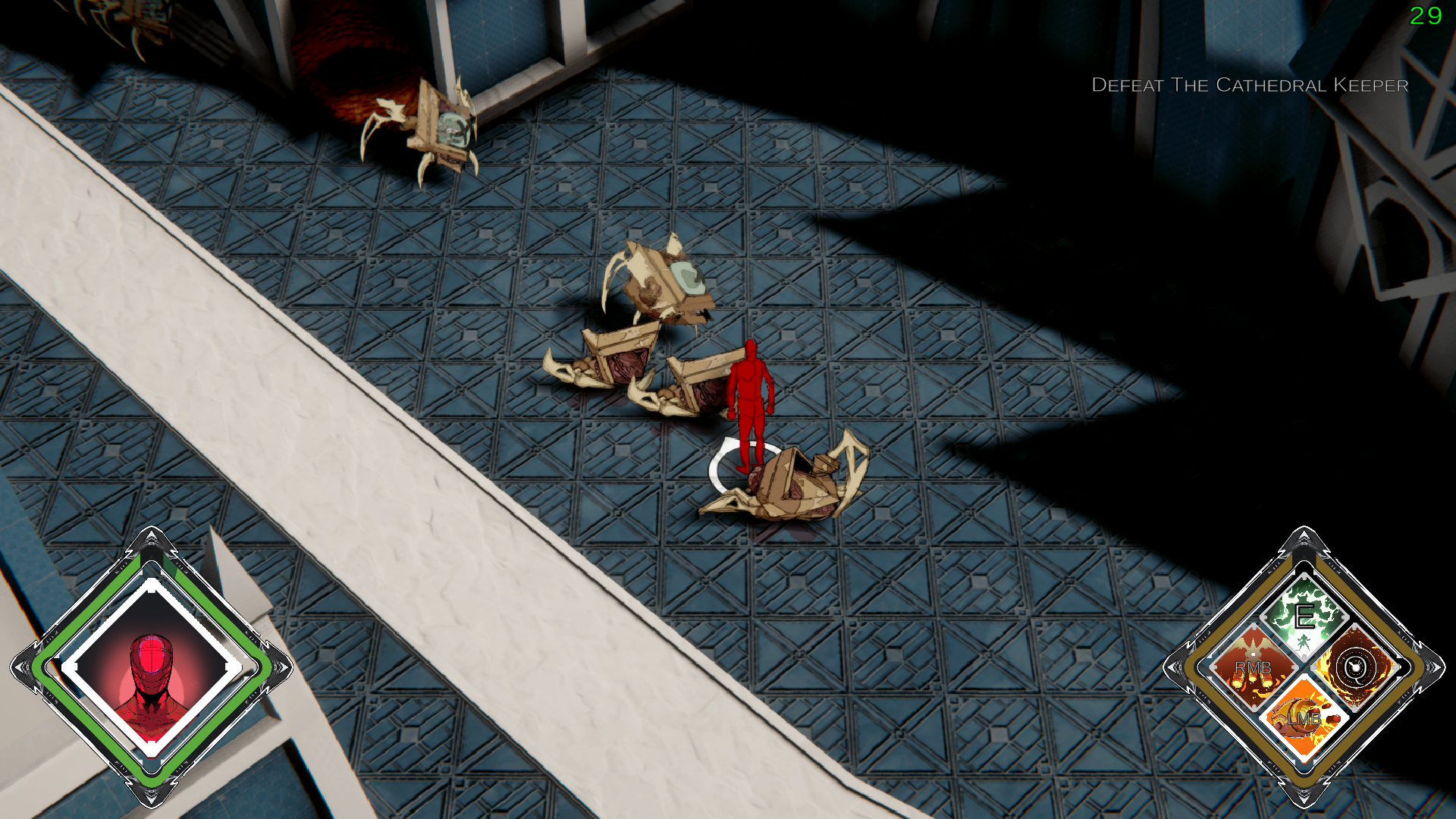
Flow & Framing
On a team of 15, my slice of Cobalt's isometric levels is flow, focusing on what stays in frame as the player moves through a space, and how it shapes the pacing and readability of each level. For example, in the first level I control what is visible in frame during fight and rest periods to make sure players gain more concrete knowledge about the world.
What I Am Going For
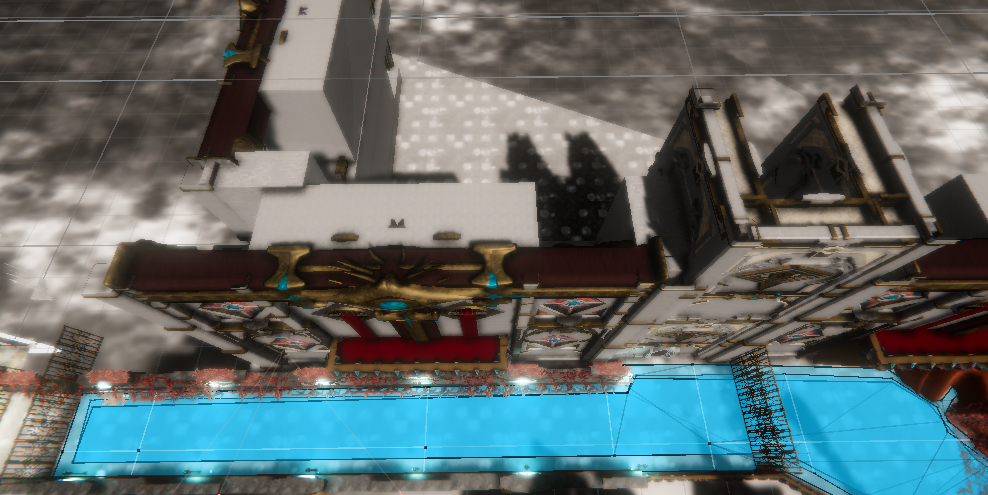
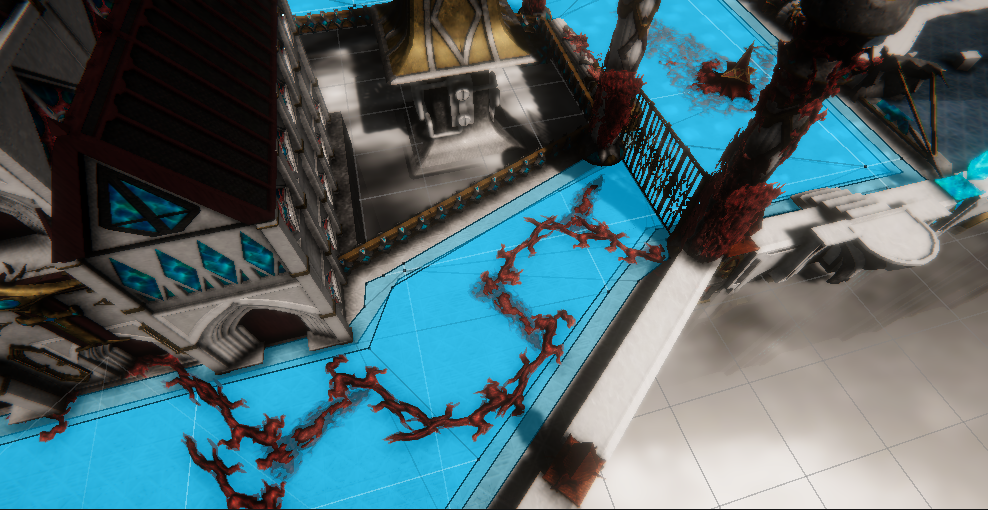
I am trying to make each level feel appropriately paced and like its own lived-in space. Cobalt having various different worlds gives each world a different feel to it, but I also want it represented in the layout and narrative storytelling. As a designer, I always make sure the level layout supports the narrative, and this is accomplished through the environment, pacing, sightlines and lighting. For example, the following screenshot shows a section of the level with flesh spreading along one side of the bridge. This density builds progressively across the level, working up to a climactic setpiece.
How It's Evolving
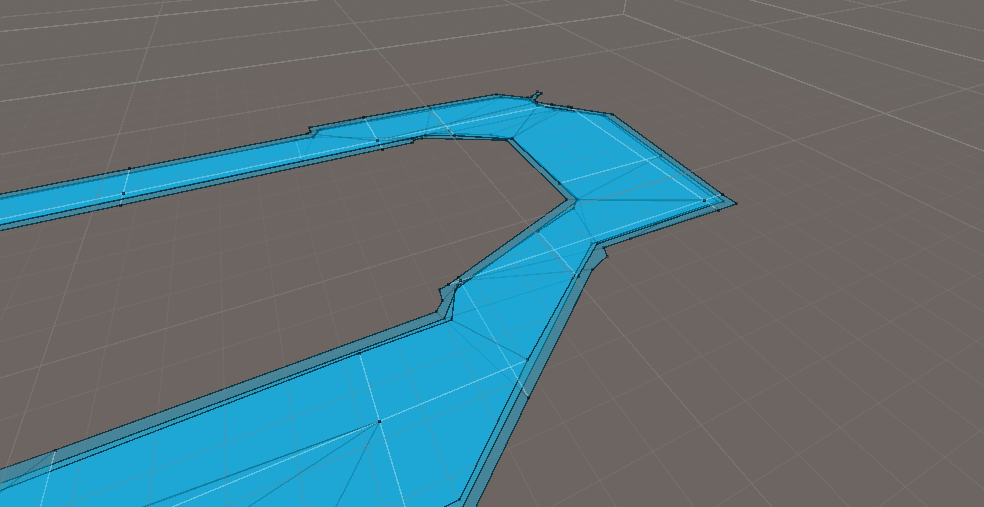
The process of level creation follows a pattern focusing entirely on flow and readability, testing each section individually to make sure they fit the mood the game is setting. For example, we try to make sure each level reaches a specific length of time, so we prioritize chunking each level into sections, focusing on how long they take and balancing periods of action and rest. In this example, we start by mapping out what areas are going to be used for rests and fights. The image on the left shows a fight area without all the assets being filled in. Once we test the level's action area, we fill it up with props.
What Didn't Work
One thing the team is still figuring out is the narrative direction of the characters and how levels are built around them. One character originally had a dark, almost goth-like aesthetic, but we pivoted toward something more melancholic to make the game more marketable to a wider audience. That shift required me to rework the layout, assets, and pacing of my levels to fit the new tone.
Where It Stands Now
Cobalt is still in active development, so as a general status update the game has one playable level and we are steadily pushing towards completing more levels to create a 15 minute demo, with two characters involved. We are working very hard on using resources from inspiration games, following industry standard design practices, and using art intentionally to create a well polished game to publish on Steam.
What I'm Solving Right Now
Right now I'm iterating on getting strong isometric readability alongside pacing, making sure there's a clear rhythm of action and rest as players move through a level rather than either constant tension or dead space. We're focusing on diverting expectations, making the player pay attention to their surroundings as the world continues to shift over time.